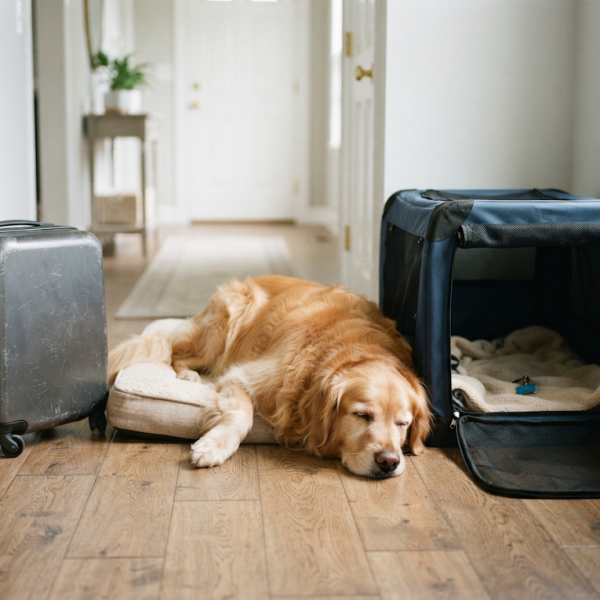
Moving abroad with a dog, a cat or even a pet bird means moving a file of papers along with the animal. Airlines, border officers and veterinary authorities all ask for proof that the pet is healthy, identified and vaccinated. If the documents come from a clinic in one country and must be read by an official in another, they often need to be translated. Pet travel papers are checked line by line, so a missing date, a wrong microchip number or an unclear stamp in a translation can delay the whole journey. This guide helps owners prepare the documents in good time.
The Papers You Are Likely to Need
The exact list depends on the destination, but most countries ask for a microchip record, a vaccination certificate that includes rabies, a health certificate signed by an official veterinarian and sometimes the result of a blood test. Some countries also request a treatment against parasites, an import permit or a declaration by the owner. Check the rules of the destination early, because some steps have to be done weeks or months before travel.
Official Rules Come First
Requirements change, and each country sets its own conditions. The European Commission provides an overview of the rules for moving pets within and into the European Union, including the pet passport and health certificate models. Read the official page for your route, and ask your veterinarian which forms are valid. Do not rely on a forum post or on advice from an airline agent alone.
Why Translation Matters
A veterinary certificate is a legal document. The border officer needs to understand the name of each vaccine, the date it was given, the batch number and the name and licence number of the vet. If the original is not in a language the authority accepts, a translation may be requested. Even when it is not, a translation can prevent questions at the airport and speed up the process when a pet arrives late at night.
Documents for Arabic-Speaking Destinations
Travel to and from the Gulf and North Africa often involves extra paperwork, including permits, notarised copies and documents legalised by the embassy. Papers may need to appear in Arabic, English or both. A provider of arabic document translation services can translate health certificates and owner declarations accurately, keep numbers and dates in the right order and add the details of stamps so that the official can compare the translation with the original.
Names, Numbers and Dates
Pet documents combine the name of the owner, the name and breed of the animal, the microchip number, the date of birth and several dates for vaccinations and tests. Any difference between documents will raise suspicion. Make sure the owner's name is spelled the same everywhere, and that it matches the passport. Write dates in a clear format, and have the translator keep the day, month and year in the same order as the original.
Timing Is Everything
Rabies vaccination, blood tests and waiting periods have to follow a strict order. A health certificate usually has to be issued within a short period before departure, often only a few days. This leaves little time for translation after the last signature. Ask your translator whether they can offer a fast service, and prepare the other documents earlier so that only the final certificate remains. Keep copies in digital and paper form.
Link With Other Travel Papers
If you are relocating for work or study, the pet documents are only a small part of the paperwork. Visas, certificates and residence permits may require translations too. For another example of a document pack that has to be accurate, see this guide to translation for UK visa applications, and use the same discipline with your pet papers.
Quarantine and Entry Conditions
Some destinations require a period of quarantine, while others allow entry without it if all papers are in order. The rules may depend on the country where the pet has lived in the last months. Prepare a short summary page in the local language with the main facts about your pet, including medical conditions and medications, so that staff at the border can act quickly. This also helps if you need to see a vet shortly after arrival.
Airline Requirements
Airlines have their own rules for crates, health checks and the maximum number of animals per flight. Contact them early and ask for written confirmation. Bring a copy of that confirmation with the other papers, together with a translation if the staff at the destination airport do not speak your language. A polite, well organised owner with a clean file of documents usually has the smoothest experience.
Prepare a Return Plan
If you plan to return home, check the rules for the way back as well. Some countries treat returning pets as new arrivals, and certificates may need to be renewed. Keep every document from the trip, and ask the vet abroad for a clear record in a language you can read. A well kept folder saves time and worry on every journey with your companion.