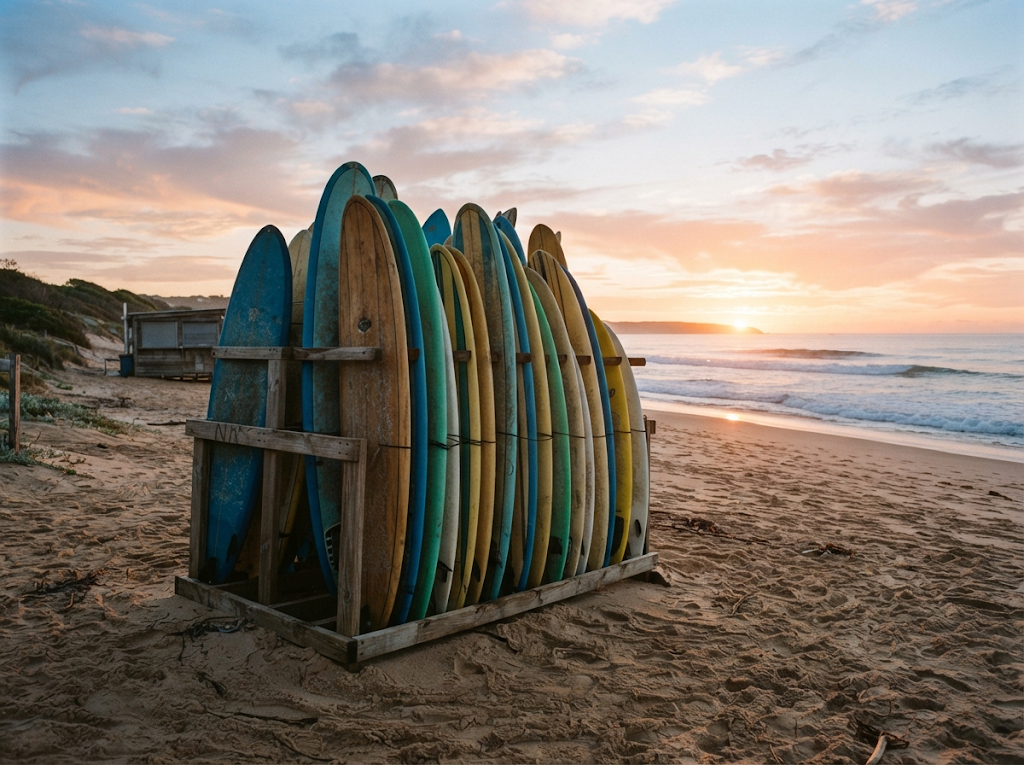
The Portuguese coast has turned small fishing towns into surf capitals. From Peniche and Ericeira to Sagres and the Algarve, schools rent boards, run lessons and host camps for visitors from the United Kingdom, the United States, Ireland and Australia. Most of those guests book from a phone, weeks before they see the beach. A surf school wins or loses the booking on the quality of its English: a clear description of the lesson, the conditions and the safety rules tells a nervous beginner that she is in good hands. This guide explains how surf schools and coastal operators can prepare their texts for English-speaking customers.
Know Your Guest
Most visitors are beginners or early intermediates. They ask how long a lesson lasts, what level of fitness is needed, whether the water is cold, what is included and what happens if the waves are too big. They also want to know about transport, accommodation, food, and whether children can join. Write answers to each question in plain language and place them where the guest makes the decision, not in a long page nobody finishes.
Lesson Descriptions
Describe each lesson by level, group size, duration, equipment and instructor ratio. Explain the stages of a session, from beach briefing and warm-up to time in the water and a short review. Avoid slang that confuses newcomers and explain surf terms such as set, break, rip current or lineup the first time they appear. Photos should show the actual beach and equipment guests will use.
Safety Information Is Not Optional
Safety texts deserve the most careful translation. Explain beach flags, tides, currents, local rules and how to signal for help. Instructors should be able to repeat the key phrases in English. Portuguese authorities, such as the national maritime authority, publish beach safety guidance, and the Portuguese tourism board at visitportugal.com offers general information for visitors. Use official terms where they exist, and test signs and instructions with people who do not speak Portuguese.
Waivers, Insurance and Terms
Guests usually sign a waiver or accept terms when booking. These texts have legal consequences, so they should not be written by guesswork. A professional portuguese translation company can render the terms, privacy notice and cancellation policy in clear English, and keep the meaning aligned with the Portuguese version. Have a lawyer in Portugal review the final text, since local law decides what is valid.
Weather, Cancellations and Refunds
Surf is weather dependent. Explain what happens when the sea is too rough or too flat: Is the lesson rescheduled, refunded or replaced? Give a clear deadline for changes. Unclear policies lead to disputes and bad reviews, while a simple table of situations and outcomes removes doubt. Mention the time zone and how guests will be notified, for instance by text message on the morning of the lesson.
Rentals and Equipment
Board rentals need clear terms: types of boards, deposit, damage rules and return times. Use consistent names for equipment in English, such as soft-top, wetsuit, leash and fins, and explain the thickness of wetsuits by season. If you sell merchandise or gift vouchers online, translate product pages and delivery information too. For background on another widely used language pair for Portugal, read this article on English to Romanian translation.
Camps, Packages and Accommodation
Surf camps combine lessons, rooms, meals and sometimes yoga or excursions. Describe room types, bed arrangements, bathrooms, food options and dietary requests. Give check-in and check-out times and directions from the airport, with the name of the bus or train line. Local place names often differ between maps and signs, so give both versions.
Messages, Reviews and Social Media
Guests contact schools through messaging apps and social media, expecting quick answers. Prepare short approved replies for frequent questions, and train staff to adapt them. Respond to reviews in English politely and specifically. A thoughtful answer to a critical review shows future guests that you listen. Watch hashtags and captions on social media, since a literal translation of a Portuguese phrase can read strangely.
Environment and Community
Many schools care about beach cleaning, wildlife and local communities. Explain your practices in a few honest sentences, and avoid exaggerated claims. Guests appreciate clear information about reef protection, waste, and respect for local residents. Authentic details are more convincing than slogans.
Photography and Consent
Schools often photograph and film lessons for marketing. Explain this in the booking terms and give guests a simple way to opt out. Describe how images are stored and used, and respect requests quickly. Clear consent language protects both sides and builds trust.
Keep the Text Fresh
Prices, schedules and rules change every season. Keep a master document, review it before each season and record who approved each version. Store a glossary of surf and tourism terms, so new staff and freelancers use the same words. A clear, friendly English edition helps first-time surfers feel brave enough to paddle out.